
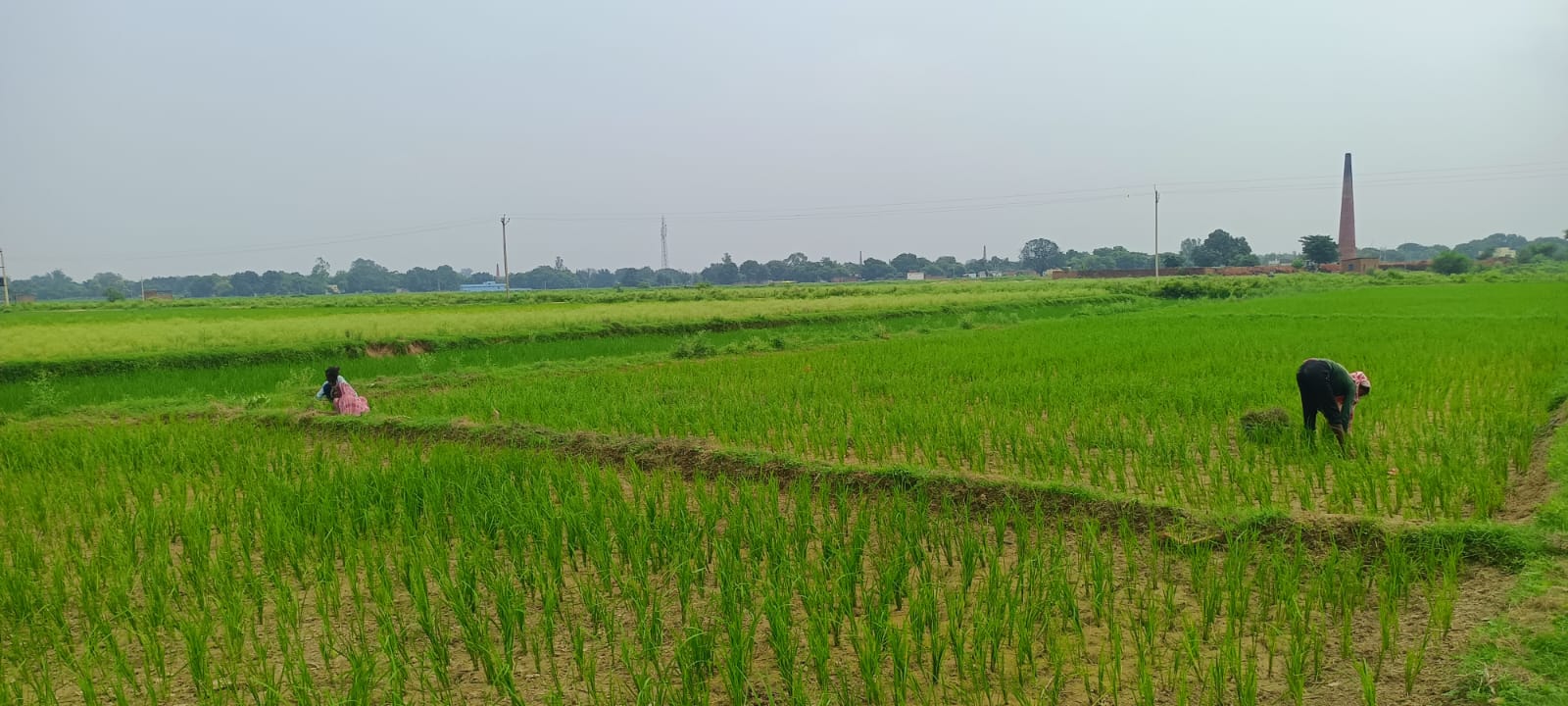

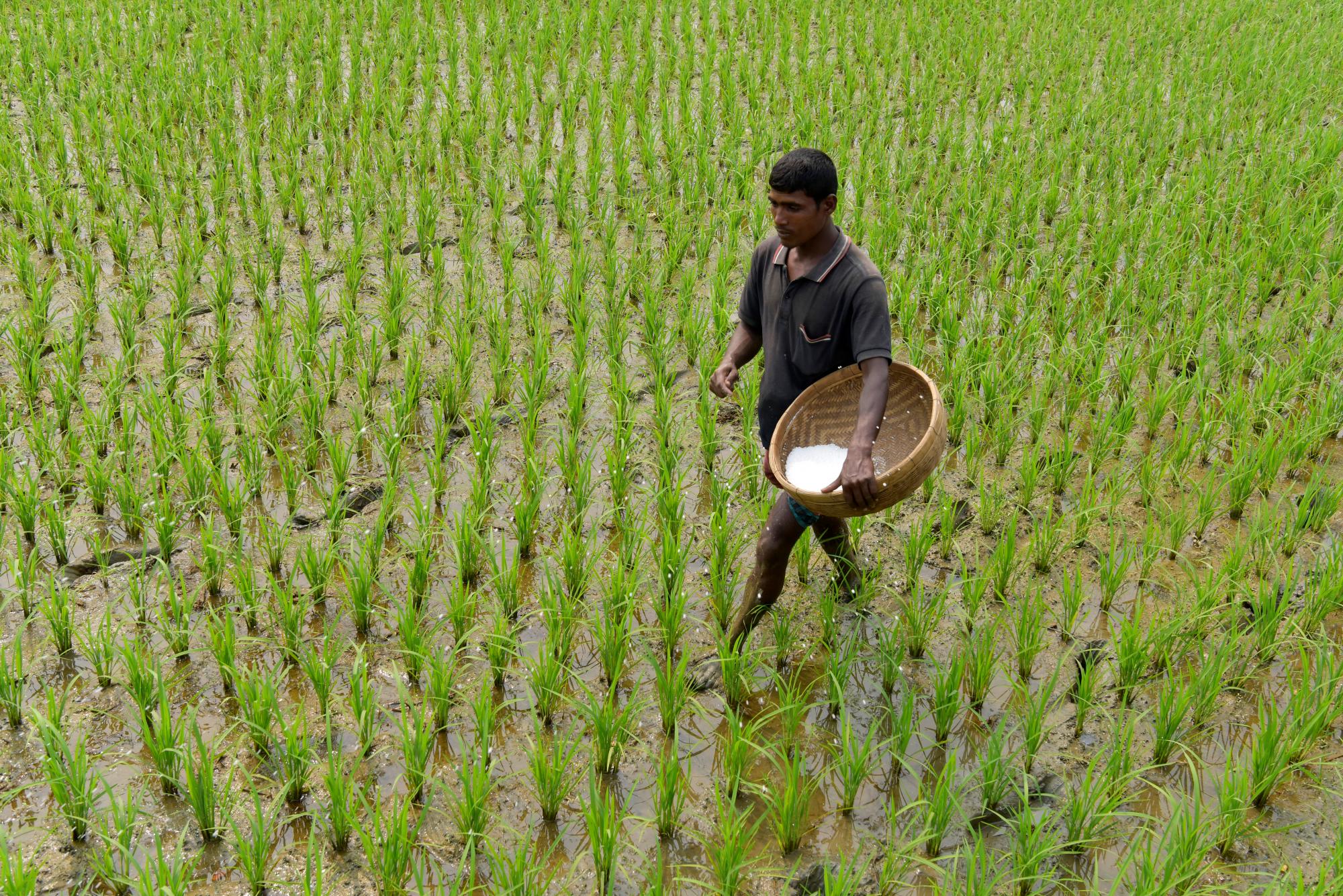
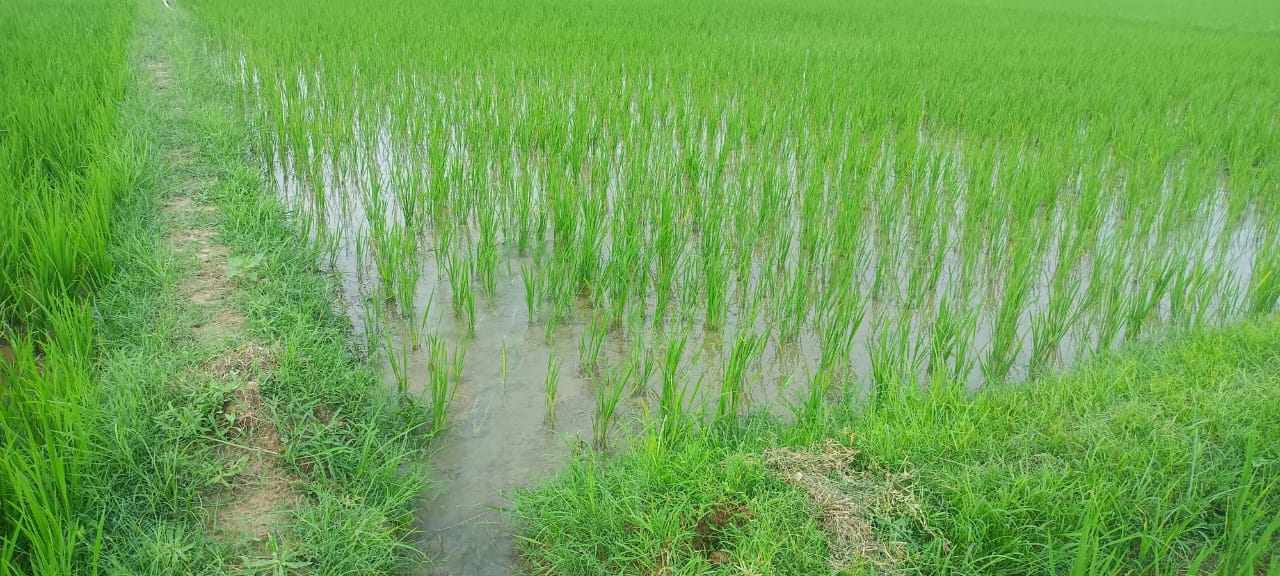

Environment and rural regeneration landscape

Environment and Rural Regeneration

Restoring the Natural Foundations of Rural Life

The Pt. Kanahya Lal Dayawanti Punj Foundation is committed to restoring India's natural capital through large-scale interventions in soil health, water stewardship, carbon sequestration and sustainable biomass management.

Through regenerative agricultural practices and biochar-based soil-restoration models, the Foundation seeks to create measurable outcomes across air, water and soil while improving farmer livelihoods and building climate-resilient rural economies.

  • Soil
  • Water
  • Biomass
  • Carbon

Natural-Capital Restoration

Rural Prosperity Rests on Natural Systems

For four decades the Foundation has worked with rural communities in and around Sitamarhi. This pillar extends that commitment to the natural systems on which those communities ultimately depend — soil, water, biomass and air.

The approach is field-led rather than declarative: measure first, intervene carefully, observe over seasons, and report what the evidence supports.

Soil

Rebuilding organic carbon, structure and biological function.

Water

Infiltration, moisture retention and recharge potential.

Biomass

Turning residue into a productive, local resource.

Carbon

Stable storage and careful, evidence-led accounting.

Livelihoods

Restoration that is economically realistic for farmers.

Scale

Systems that can expand across farms, villages and regions.

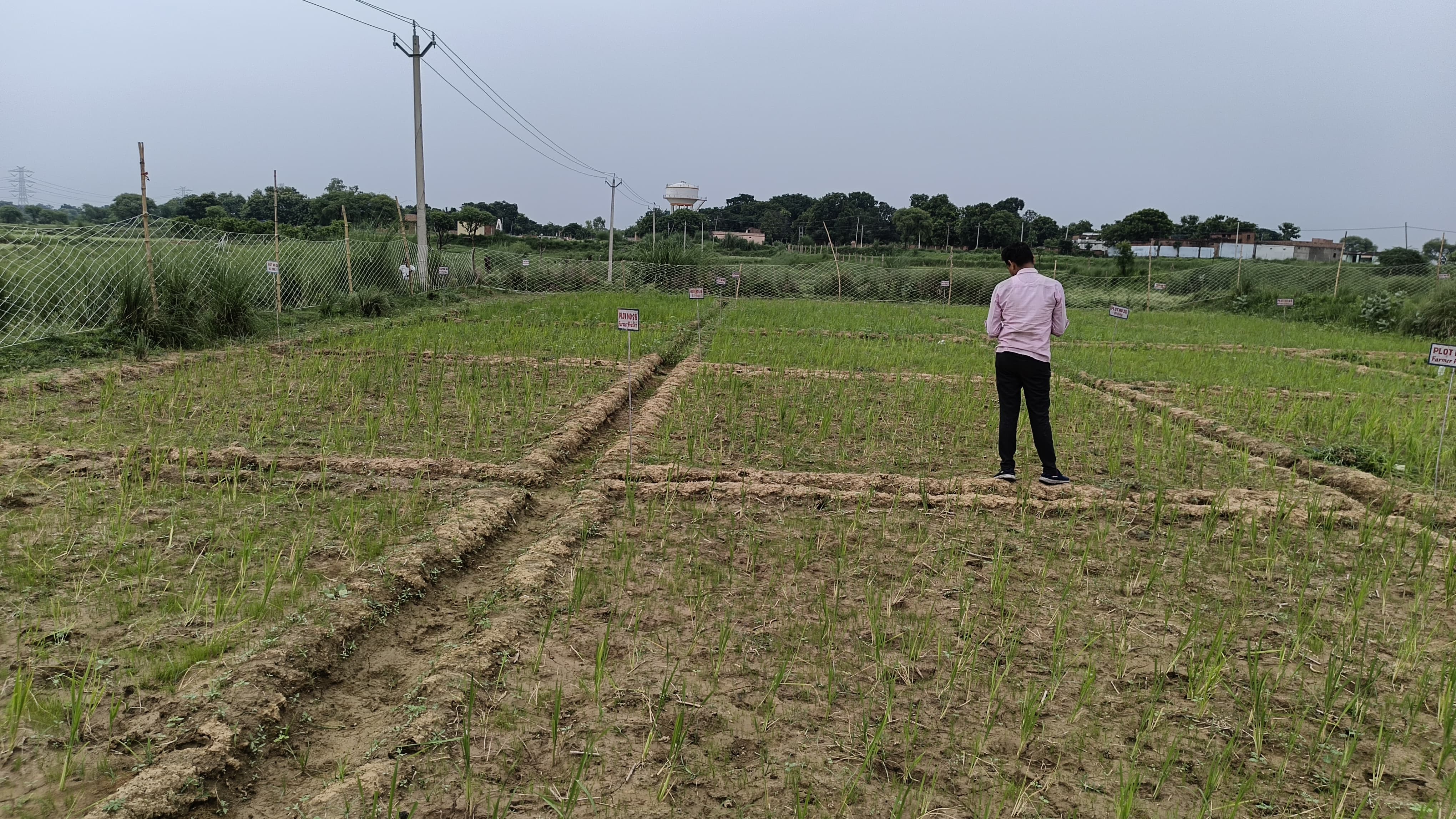
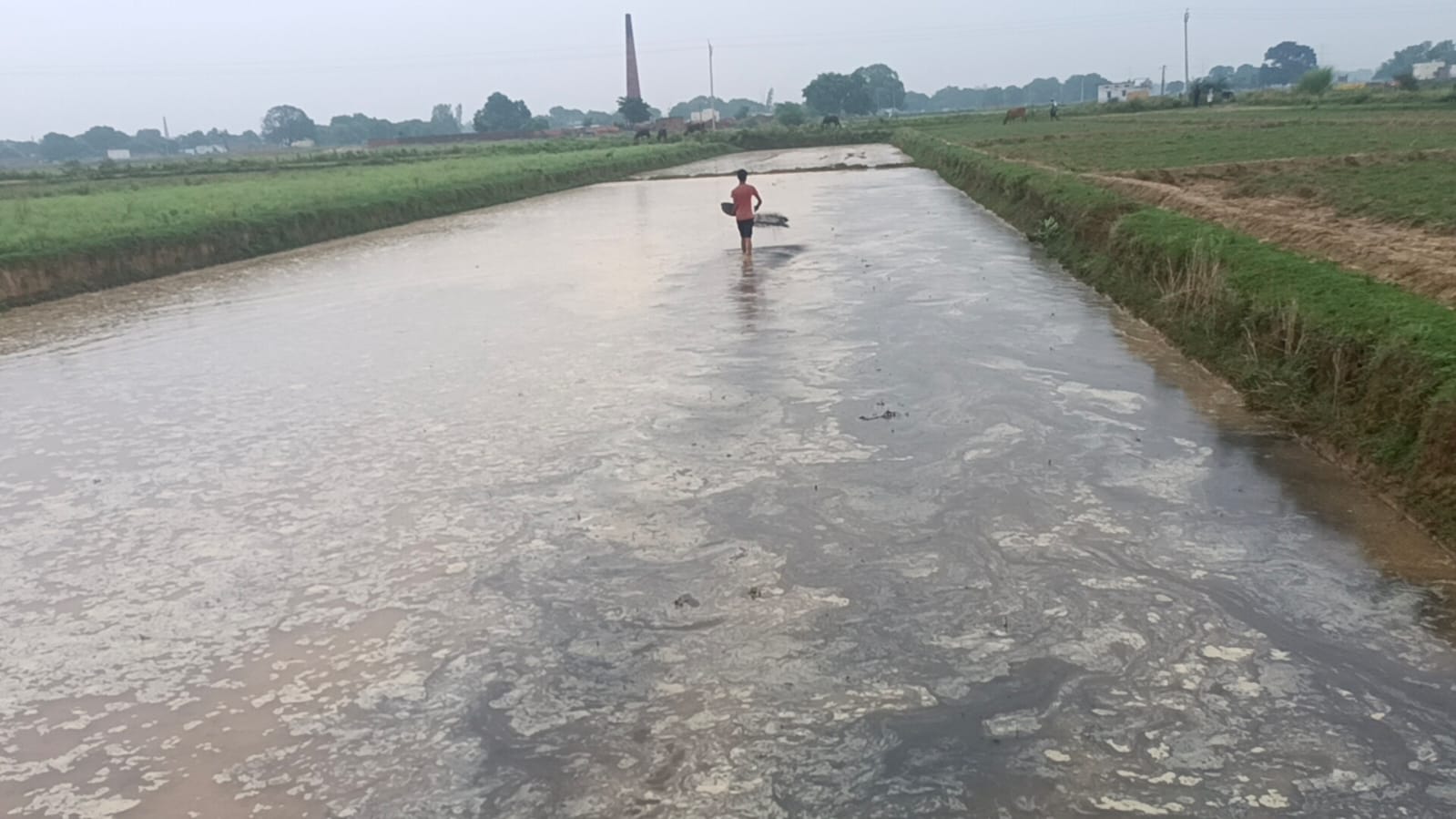
Field implementation
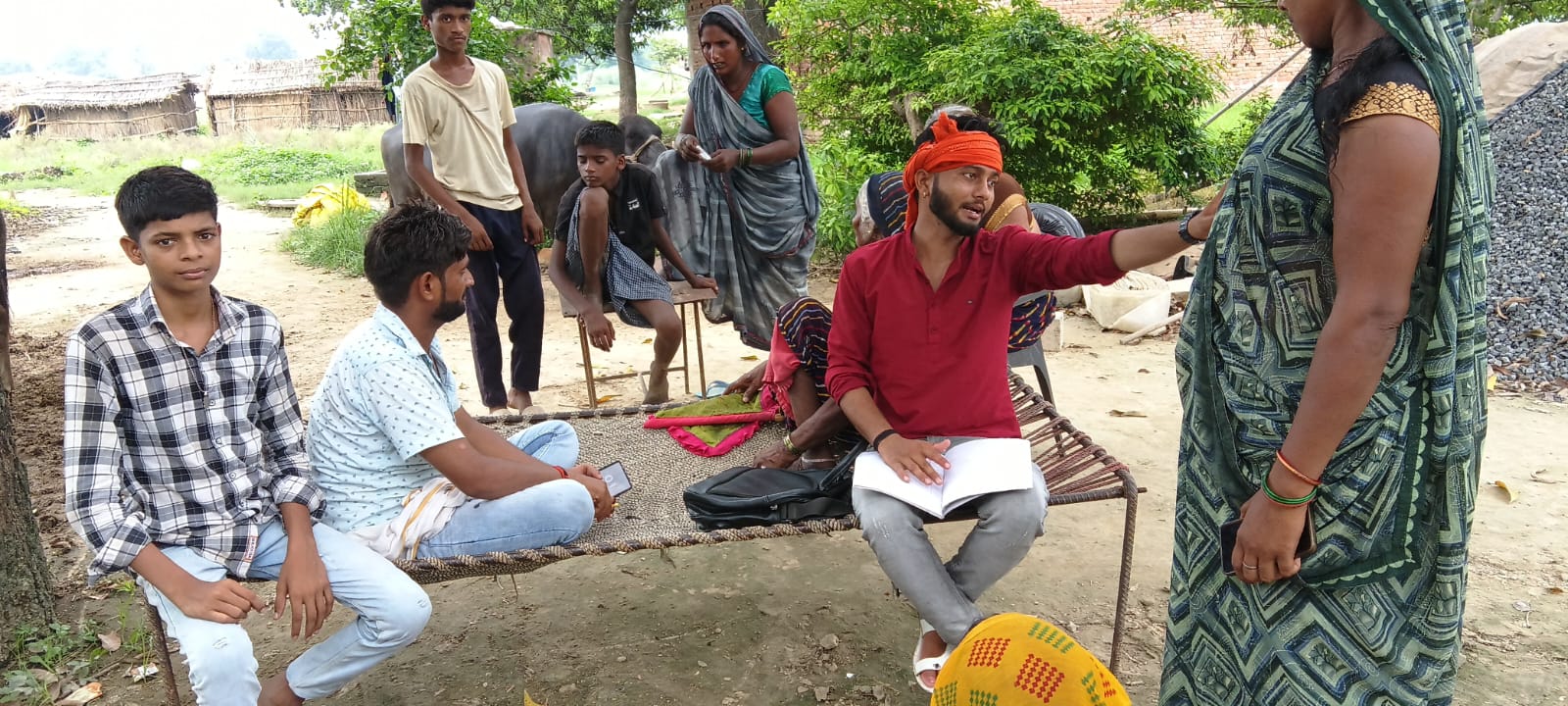
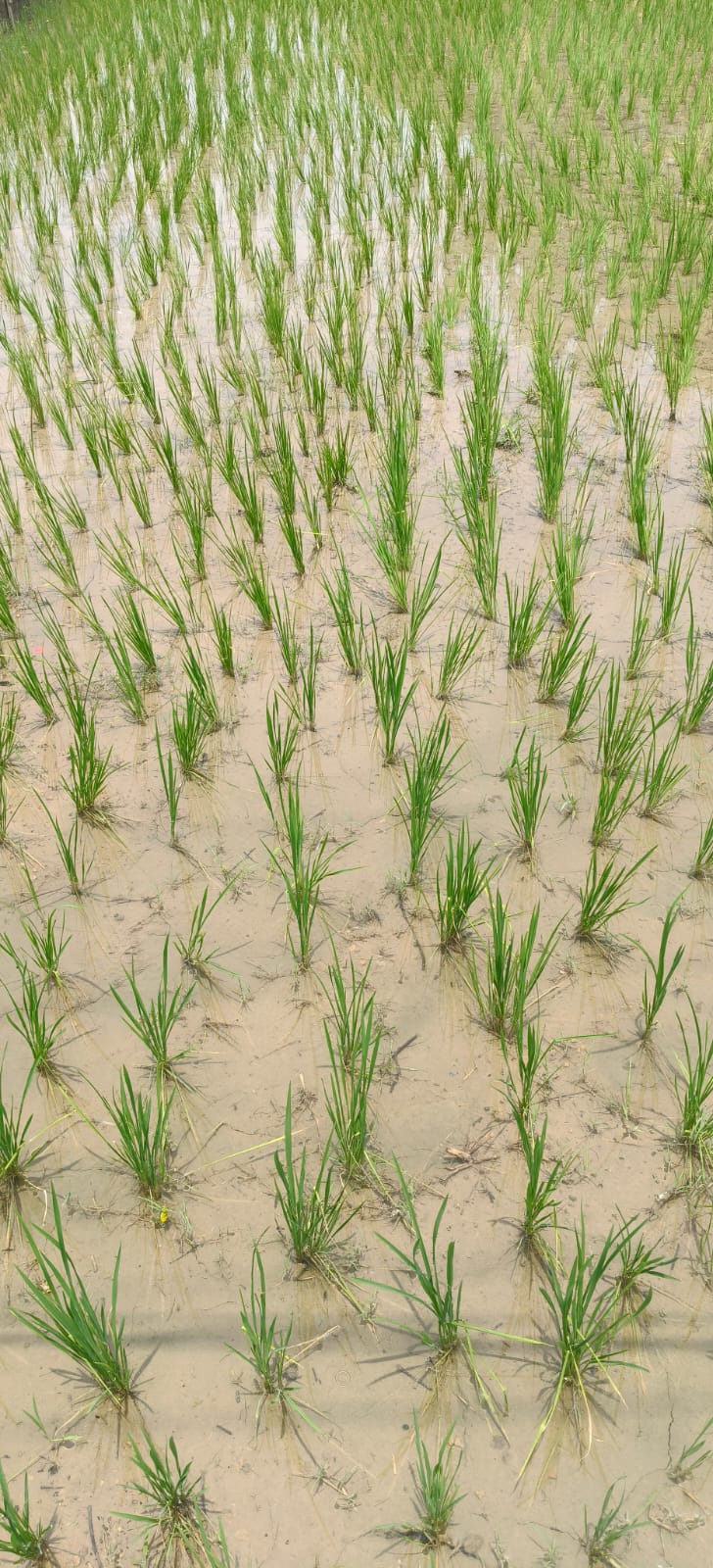
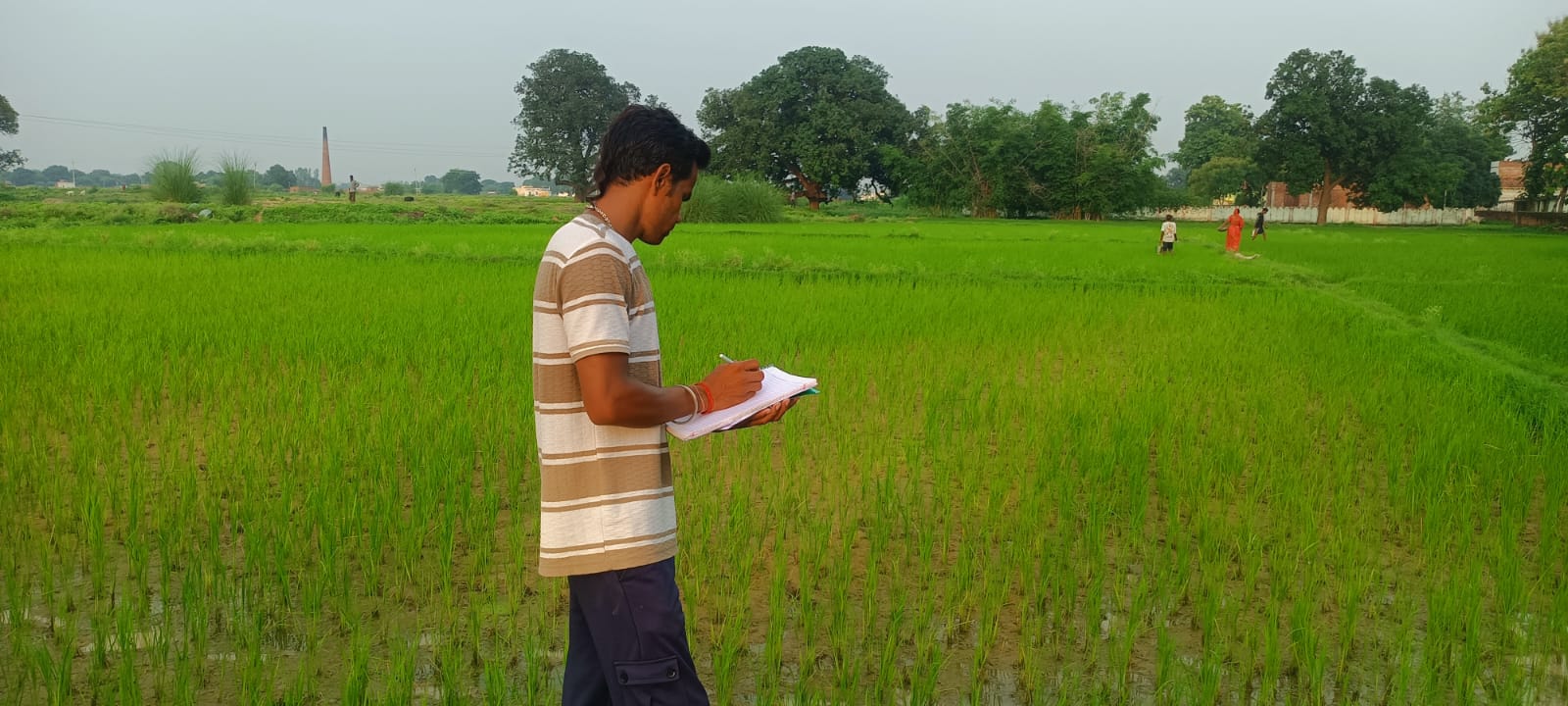
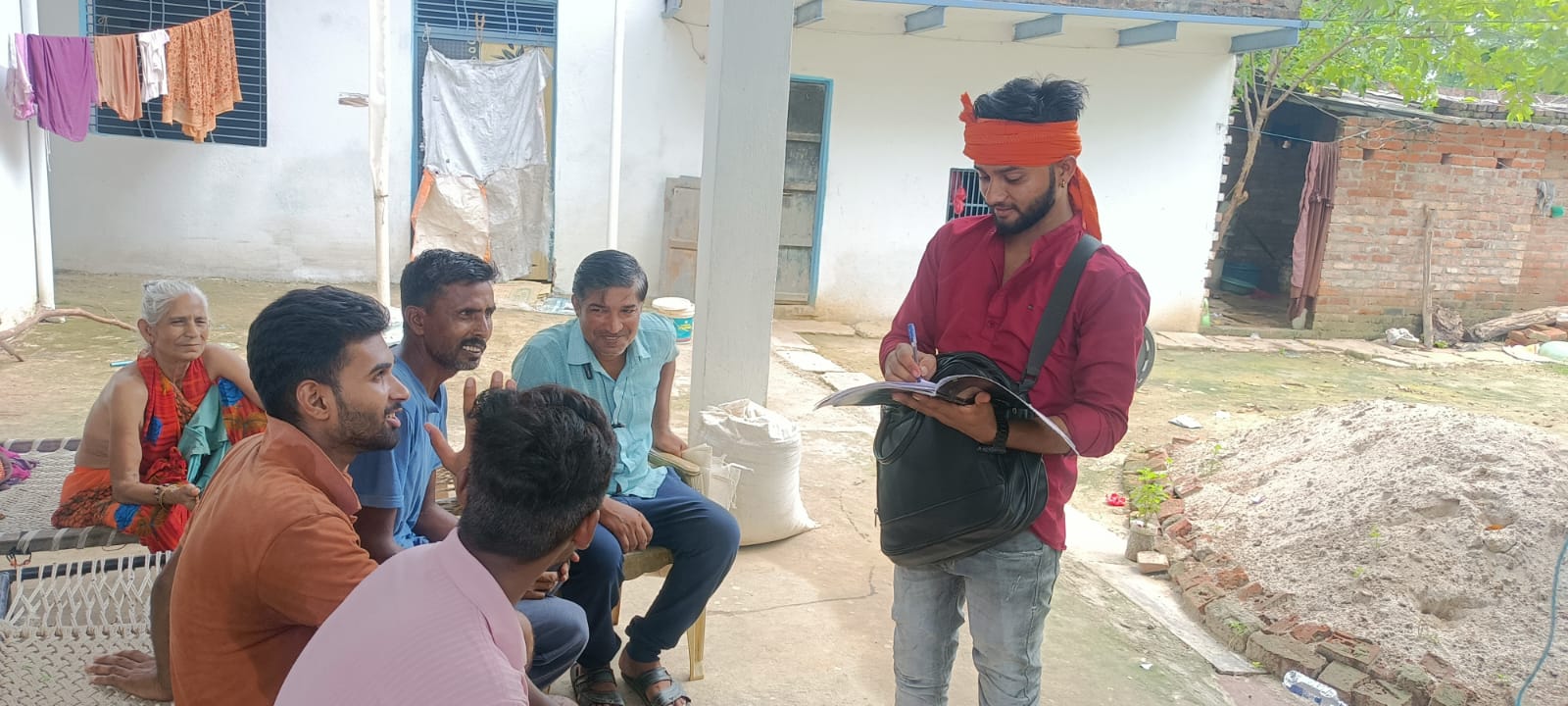
Soil sampling, irrigation and field implementation across programme geographies.

The Challenge

When Soil, Water and Biomass Systems Begin to Break Down

These pressures are interconnected. Each is described here as observed field context, not as a national statistic — programme figures appear only where they have been measured and verified.

Depleted Soil Organic Carbon
01

Depleted Soil Organic Carbon

Many agricultural soils are losing the organic carbon that supports structure, biological activity, nutrient cycling and water retention.

Declining Water Resilience
02

Declining Water Resilience

Compacted or carbon-depleted soils may absorb and retain less water, increasing dependence on irrigation and reducing resilience during dry periods.

Crop-Residue Burning
03

Crop-Residue Burning

When agricultural biomass has no viable local use, open burning may become the quickest disposal method, affecting air quality, soil and carbon emissions.

Rising Farm Vulnerability
04

Rising Farm Vulnerability

Increasing input dependence, uncertain weather and declining soil function can place additional pressure on farm economics.

Disconnected Environmental Interventions

Soil, water, carbon and biomass are often treated as separate issues even though they function as one connected natural system.

One Connected System

Restoring Air, Water and Soil Together

At the centre

Healthy and Resilient Rural Landscapes

Soil

  • Organic carbon
  • Structure
  • Biology
  • Roots
  • Nutrient cycling

How the relationships run

  1. More soil organic carbon
  2. Improved soil structure
  3. Greater water retention
  4. Stronger crop resilience
  1. Biomass collection
  2. Reduced open burning
  3. Biochar production
  4. Soil restoration and carbon storage

The centre of this system is the restored landscape — not any single product. B3 appears later on this page as the flagship intervention that supports it.

Partnership for Implementation

Community Trust Meets Environmental Expertise

The Foundation brings deep community relationships, long-term regional presence and an institutional commitment to rural development.

NettZero Environmental Advisory Technologies Pvt. Ltd. brings environmental strategy, scientific methodology, B3 technology, field-implementation systems, measurement frameworks and expertise in natural-capital restoration.

Together, the two organisations are building a programme designed to move from field intervention to measurable environmental outcomes.

Foundation Role

  • Programme anchor
  • Community relationships
  • Farmer mobilisation
  • Institutional presence
  • Local coordination
  • Social-development alignment
  • Long-term continuity
  • Partnership development

NettZero Role

  • Environmental strategy
  • Programme architecture
  • B3 development and technical stewardship
  • Soil-restoration protocols
  • Water-stewardship methodology
  • Carbon-sequestration strategy
  • Biomass-management systems
  • Field implementation
  • Data collection
  • Scientific measurement
  • Reporting and validation

Shared Responsibilities

  • Farmer engagement
  • Demonstration programmes
  • Field trials
  • Training
  • Monitoring
  • Impact documentation
  • Programme expansion
  • Stakeholder engagement
An environmental and rural-regeneration programme of the Pt. Kanahya Lal Dayawanti Punj Foundation, designed and implemented with the support and expertise of NettZero Environmental Advisory Technologies Pvt. Ltd.

Flagship Soil-Restoration Intervention

B3 – Bhoomi Bio Booster

B3 – Bhoomi Bio Booster is a biochar-based soil-restoration intervention developed and implemented by NettZero within the Foundation's wider natural-capital restoration programme.

It is designed to support the rebuilding of soil organic carbon, improve soil condition, strengthen the relationship between soil and water, support biological activity and create a durable use for agricultural biomass.

B3 is not another agricultural input. Its role is to help restore the underlying soil system on which crop productivity, water resilience and long-term farm economics depend.

  • Soil Organic Carbon
  • Soil Structure
  • Water Retention
  • Biological Function
  • Carbon Storage
B3 material close-up
B3 in the fieldB3 application

Understanding B3

A Soil-Restoration System Built Around Biochar

B3 is a biochar-based soil-restoration formulation intended to improve the physical, biological and carbon-related condition of agricultural soil.

Biochar forms the durable carbon framework within the product.

The formulation is prepared so that the biochar can function not merely as an inert carbon material, but as part of a biologically active and field-applicable soil intervention.

Within the programme, B3 is used to support

  • Soil organic carbon restoration
  • Better soil aggregation
  • Improved pore structure
  • Greater moisture retention
  • More favourable conditions for microbial activity
  • Root-zone development
  • Nutrient-holding capacity
  • Long-term carbon storage

Programme language is deliberately careful: designed to support, intended to improve, may contribute to, field programmes are measuring.

The Biochar Foundation

Turning Agricultural Biomass Into a Long-Lived Soil Resource

Biochar is a stable, carbon-rich material produced by heating biomass under controlled conditions with limited oxygen.

Within an appropriate soil-restoration model, biochar can serve as a durable carbon framework with a porous structure that supports water, nutrients and biological activity.

Its value lies not only in the material itself, but in the wider system surrounding it: biomass collection, controlled conversion, product preparation, soil application, farmer training, field monitoring and environmental measurement.

  1. Agricultural Residue
  2. Collection
  3. Controlled Conversion
  4. Biochar
  5. B3 Preparation
  6. Field Application
  7. Soil, Water and Carbon Outcomes
Agricultural residue
Biomass collection
Biomass collection
Controlled conversion
Biochar material
Biochar material
Biomass to biochar process diagram
Process diagram — biomass to biochar to soil.

From Biochar to Field-Ready Intervention

Preparing B3 for Soil Application

  1. 1

    Biomass Sourcing

    Agricultural biomass is identified and collected through responsible local systems.

  2. 2

    Biochar Production

    Biomass is converted into stable carbon-rich biochar through a controlled process.

  3. 3

    Size Preparation

    Biochar is processed into an appropriate particle range for blending and field application.

  4. 4

    Biological Preparation

    The biochar-based formulation is prepared to support biological activity and soil interaction.

  5. 5

    Curing and Stabilisation

    The prepared material is allowed to stabilise before field use.

  6. 6

    Quality Review

    Relevant parameters are checked before deployment.

  7. 7

    Packaging and Field Movement

    B3 is packed and transported for farmer programmes and demonstration plots.

Formulation ratios, additives and compliance statements are published only when approved and verified.

B3 preparation
Biochar close-upB3 bag

Below the Surface

Restoration Begins in the Root Zone

Above Ground

  • Crop
  • Weather
  • Irrigation
  • Farm management

Root Zone

  • Root growth
  • Soil aggregation
  • Microbial habitat
  • Moisture availability
  • Nutrient exchange

Deeper Soil Profile

  • Reduced rapid run-off
  • Moisture movement
  • Recharge potential
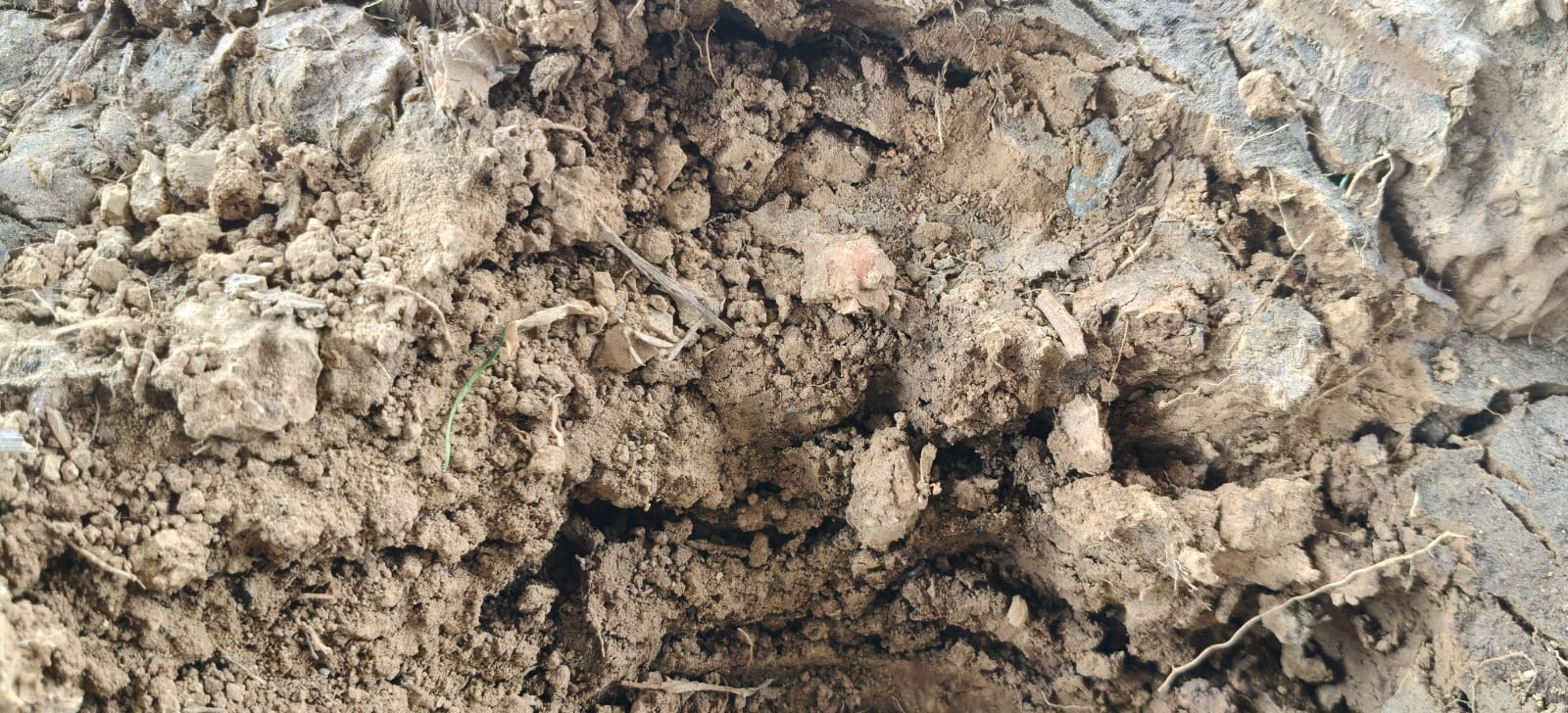
Soil profile
Root zoneB3 material

By improving soil structure and infiltration, B3-based soil restoration may contribute to better movement and retention of water within the soil profile. Recharge outcomes must be measured separately.

For Farmers

Restoring Soil to Strengthen Farm Resilience

B3 is explained to farmers not through abstract environmental language, but through the practical functions of healthy soil.

  1. 01

    Improved Soil Condition

    Better physical structure may make soil easier to work and more supportive of root development.

  2. 02

    Greater Moisture Resilience

    Improved water retention may help crops manage intervals between irrigation or rainfall more effectively.

  3. 03

    Stronger Root Environment

    A more favourable root zone may support crop establishment and resilience.

  4. 04

    Improved Nutrient-Holding Environment

    Biochar-based soil restoration may help retain nutrients within the root zone and reduce avoidable losses.

  5. 05

    Reduced Vulnerability to Soil Decline

    Restoring organic carbon addresses a foundational cause of long-term soil deterioration.

  6. 06

    Potential Productivity Improvement

    Healthier soil may support better crop performance, subject to crop, soil, weather and management conditions.

  7. 07

    Potential Input Efficiency

    Improved soil function may help farmers use water and nutrients more effectively over time.

  8. 08

    Long-Term Farm Value

    Restored soil represents a productive asset that can support future cropping cycles.

  9. 09

    Biomass Value

    Local biomass-management systems may create an alternative to waste or burning.

  10. 10

    Participation in Measured Programmes

    Farmers can become part of demonstration, soil-testing and environmental-monitoring initiatives.

Farmer training
Field application
Farmer meeting
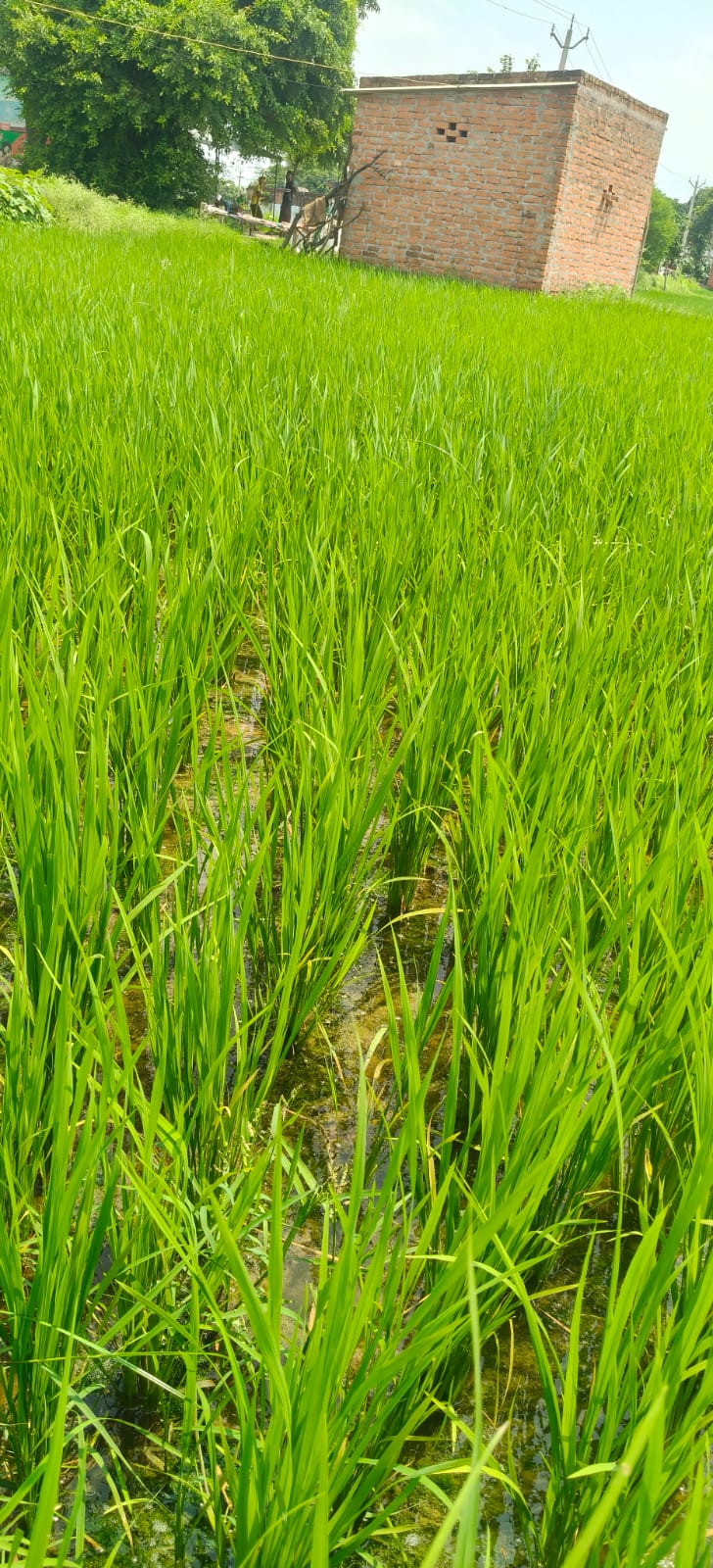
Farm landscape

Field outcomes depend on soil type, crop, weather, irrigation, existing farm practices, application method and programme conditions. The programme does not promise guaranteed yield, fertiliser reduction, income increase or drought protection.

For Soil

Rebuilding the Carbon Framework of Living Soil

  1. 01

    Soil Organic Carbon

    B3 introduces a durable carbon-rich component intended to support the restoration of depleted soil carbon.

  2. 02

    Soil Structure

    Biochar's physical properties may support aggregation and pore development.

  3. 03

    Water-Holding Capacity

    A more porous soil environment may retain water more effectively.

  4. 04

    Biological Activity

    The formulation is intended to create more favourable conditions for beneficial soil biology.

  5. 05

    Root Development

    Improved structure and moisture conditions may support a healthier root zone.

  6. 06

    Nutrient Retention

    Biochar's surface and pore structure may help retain nutrients within the soil system.

  7. 07

    Reduced Compaction Stress

    Improved physical condition may help address some effects associated with dense or degraded soil.

  8. 08

    Long-Term Resilience

    Restoring carbon and structure supports soil function beyond a single crop cycle.

Depleted soil

Depleted soil function

Restored soil

Restored soil function

Illustrative soil-function comparison. Not a claim of guaranteed field outcome.

Soil organic carbonRoots

For Water

Healthier Soil Creates a Stronger Relationship With Water

  1. 01

    Infiltration

    Improved soil structure may allow water to enter the soil more effectively.

  2. 02

    Moisture Retention

    Porous carbon and improved soil aggregation may help hold water in the root zone.

  3. 03

    Reduced Surface Run-Off

    Better infiltration may reduce rapid movement of water across the surface under suitable conditions.

  4. 04

    Irrigation Resilience

    Retained soil moisture may help improve the effectiveness of irrigation.

  5. 05

    Root-Zone Availability

    Water held within a healthier soil profile may remain available to crops for longer.

  6. 06

    Recharge Potential

    Improved infiltration and water movement through the soil may support recharge processes, but recharge must be separately modelled and measured.

Irrigation
Irrigation
Soil moisture
Soil moisture
Water monitoring
Water monitoring
Recharge context
Recharge context

Evidence label carried by every water figure

  • Expected
  • Modelled
  • Observed
  • Measured
  • Independently Validated

Litres retained are never reported as litres recharged, and irrigation reduction is never presented as proven without measurement.

For the Environment

One Intervention, Multiple Environmental Pathways

Air

  • Reduced residue burning where biomass is collected
  • Lower smoke and particulate exposure
  • Productive use of agricultural waste

Soil

  • Carbon restoration
  • Improved soil condition
  • Biological and structural support

Water

  • Better infiltration
  • Improved moisture retention
  • Potential reduction in run-off
  • Recharge contribution where measured

Climate

  • Conversion of biomass carbon into more stable biochar carbon
  • Long-term carbon storage
  • Reduced emissions from avoided burning
  • Potential reduction in selected agricultural emissions through wider programme practices

Verified carbon-removal statements appear only where measurement and methodology have been supplied.

From Programme to Plot

How B3 Reaches the Farmer and the Field

  1. Purpose
    Identify geographies where soil, biomass and community readiness align.
    Responsible team
    Foundation + NettZero
    Farmer action
    —
    Data collected
    Geography assessment
    Completion status
    Data being compiled

Participation is subject to programme geography, eligibility, available material, field suitability and implementation schedule.

Farmer registration
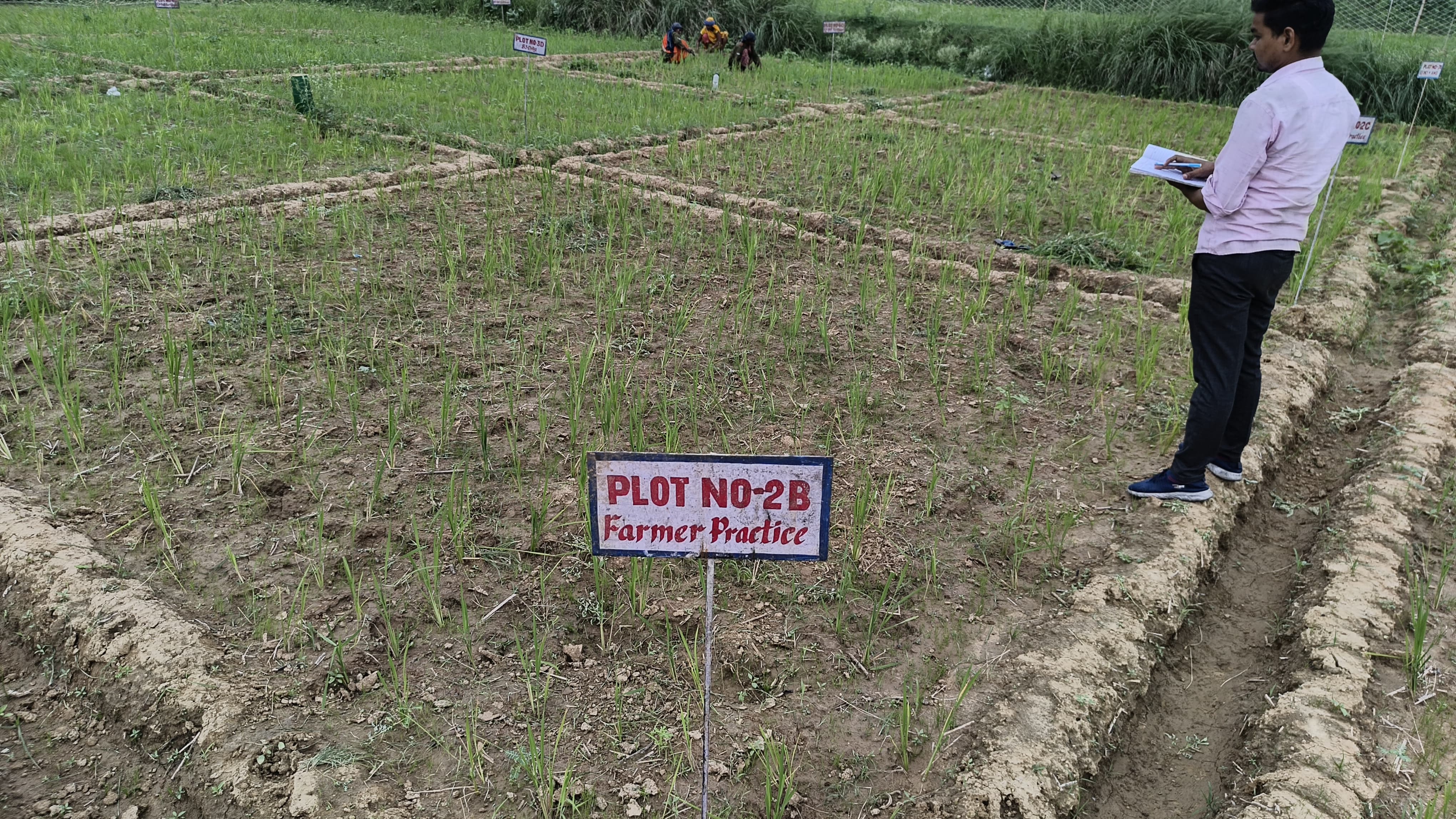
Soil samplingField teamPaddy applicationCrop measurement

The Core Soil Metric

Why Soil Organic Carbon Matters

Soil organic carbon is not merely a climate metric. It influences soil structure, water retention, biological function, nutrient cycling, root development, erosion resilience, agricultural productivity and long-term soil health.

B3 is intended to introduce stable carbon, while the broader programme supports regenerative practices that build living organic matter. The two are related but not the same.

  1. More Functional Soil Carbon
  2. Improved Structure
  3. Greater Water and Nutrient Retention
  4. Stronger Root Environment
  5. Greater Farm Resilience

Biochar Carbon

  • Stable
  • Long-lived
  • Structural
  • Porous
  • Carbon-storage function

Biological Soil Organic Matter

  • Dynamic
  • Nutrient-cycling
  • Biologically active
  • Continuously formed and decomposed

The restoration model is designed to support both.

Water Stewardship

From Soil Moisture to Landscape Water Resilience

The Foundation's water-stewardship approach begins with the understanding that soil is part of the water system.

When soil structure, porosity and organic carbon decline, water may run off more quickly, remain available for less time or require greater irrigation input.

The programme therefore explores how soil restoration can contribute to improved infiltration, greater root-zone moisture, more effective irrigation, reduced rapid run-off, improved water-use resilience and groundwater-recharge potential.

Measurement pathway

  1. Baseline Soil and Water Assessment
  2. B3 Application
  3. Soil-Moisture Observation
  4. Irrigation Tracking
  5. Infiltration Assessment
  6. Recharge Modelling
  7. Field Validation
  8. Programme Reporting

Reported separately, never merged

  • Soil moisture retained
  • Irrigation water potentially reduced
  • Surface run-off potentially avoided
  • Water infiltrated
  • Water estimated to contribute to recharge
  • Recharge independently measured
Water monitoring
Recharge context
Groundwater landscape
Irrigation

Biomass as a Resource

Creating a Productive Alternative to Agricultural Residue Burning

Agricultural residue is often treated as a disposal problem.

The Foundation and NettZero seek to create local systems in which suitable biomass can become an environmental and economic resource. Not all biomass is suitable, and collection or exchange terms are published only when verified.

  1. Farm Residue
  2. Local Collection
  3. Aggregation
  4. Controlled Biochar Production
  5. B3 Preparation
  6. Return to Agricultural Soil
  7. Improved Soil Function
  8. Future Biomass Production
  • Reduced pressure to burn residue
  • Cleaner local air
  • Productive biomass use
  • Local collection opportunities
  • Stable carbon production
  • Soil-restoration input
  • Circular rural-resource model
Crop residueBiomass collectionBiomass balesBiochar production

Cleaner Air

Replacing Burning With a Local Biomass Value Chain

Farmers require viable systems, not lectures.

Why burning happens

  • Short residue-management windows
  • Collection difficulties
  • Transport costs
  • Lack of local buyers
  • Limited storage
  • Lack of practical alternatives

The programme response

  • Farmer awareness
  • Biomass collection
  • Local aggregation
  • Responsible conversion
  • Farmer participation
  • B3-linked soil restoration
  • Monitoring of residue diverted from burning
Residue burning
Collection
Bales
Farmer event

The programme does not claim that burning has been eliminated. Residue diverted is reported only where recorded.

Carbon Management

Storing Carbon While Restoring Productive Landscapes

01

Biochar Carbon Storage

Biomass carbon is converted into a more stable form and applied to soil.

02

Avoided Burning Emissions

Residue diverted from open burning may reduce selected emissions associated with burning.

03

Agricultural Emissions Management

The wider programme may study methane, farm inputs, water practices and other sources of agricultural emissions.

Evidence ladder

  1. Programme Activity
  2. Data Collection
  3. Calculation
  4. Methodology Review
  5. Verification
  6. Eligible Environmental Claim

Not every tonne of biochar automatically becomes a verified carbon-removal credit.

  • Feedstock documentation
  • Production data
  • Carbon-content analysis
  • Stability assumptions
  • Lifecycle accounting
  • Application records
  • Monitoring
  • Approved methodology
  • Verification where applicable
BiocharLaboratory reportMethane measurementResearch team

Beyond a Single Input

B3 Within a Wider Regenerative Agriculture Model

B3 works best as one element of a broader farm-management approach, guided by agronomic advice. Farmers are never advised to discontinue prescribed inputs without such guidance.

  • 01

    Soil testing

  • 02

    Appropriate B3 application

  • 03

    Organic-matter management

  • 04

    Crop-residue recycling

  • 05

    Reduced unnecessary soil disturbance

  • 06

    Water management

  • 07

    Balanced nutrient management

  • 08

    Crop and root observation

Optional practices — shown as programme components only when verified

  • Crop rotation
  • Cover cropping
  • Biological inputs
  • Integrated pest management
Field trialSoil samplingFarmer trainingIrrigation

Restoration and Livelihoods

Environmental Restoration Must Also Work Economically

The Foundation's vision is not limited to environmental improvement.

For restoration to scale, it must create practical value for farmers, villages, implementation partners and local economies. The programme does not claim guaranteed farmer income, and commercial terms are not published unless supplied.

  1. 01

    Healthier Productive Soil

    Improved soil function may support crop resilience and long-term productivity.

  2. 02

    Better Water Efficiency

    Improved soil-water performance may reduce vulnerability and irrigation pressure.

  3. 03

    Biomass Value Creation

    Residue may become part of a local supply chain rather than a disposal burden.

  4. 04

    Local Employment

    Collection, processing, field implementation, monitoring and logistics can create rural work.

  5. 05

    Scalable Restoration Enterprises

    Local restoration systems may develop into economically viable regional models.

Farmer meeting
Biomass collection
Field team
Farm landscape

Science and Accountability

Every Environmental Claim Must Have a Measurement Path

01

Soil

  • Organic carbon
  • pH
  • Structure
  • Nutrients
  • Biology where tested
02

Water

  • Moisture
  • Irrigation
  • Infiltration
  • Run-off
  • Recharge modelling
03

Agriculture

  • Crop growth
  • Yield
  • Root condition
  • Input use
  • Farmer economics
04

Biomass

  • Quantity collected
  • Source
  • Moisture
  • Conversion
  • Diversion from burning
05

Carbon and Emissions

  • Biochar carbon
  • Stability
  • Lifecycle emissions
  • Methane
  • Avoided burning
06

Social and Economic Outcomes

  • Farmers engaged
  • Training
  • Local employment
  • Cost and benefit
  • Programme adoption

Verification status carried by every published claim

  • Programme Data
  • Laboratory Tested
  • Field Observed
  • Modelled
  • Third-Party Reviewed
  • Independently Verified

Measuring Restoration

Environmental Outcomes Across Soil, Water, Air and Livelihoods

SoilData being compiled

Acres treated

Status: Active Tracking
Unit
acres
Period
2025–2026
Geography
Rajgarh, Bandhavgarh, Damoh, Sitamarhi
Method
Programme records
SoilMeasurement underway

Soil samples

Status: Collection Phase
Unit
samples
Period
2026 Cycle
Geography
Regional Project Sites
Method
Field sampling
SoilAdd verified figure

Baseline SOC

Status: Pending Lab Verification
Unit
%
Period
Baseline
Geography
Project Plots
Method
Laboratory analysis
SoilMeasurement underway

Post-treatment SOC

Status: Pending Lab Verification
Unit
%
Period
2026 Cycle
Geography
Project Plots
Method
Laboratory analysis
SoilData being compiled

Demonstration plots

Status: Active Setup
Unit
plots
Period
2026
Geography
Regional Clusters
Method
Programme records
WaterMeasurement underway

Moisture assessments

Status: Sensors Active
Unit
readings
Period
Ongoing
Geography
Agricultural Zones
Method
Field measurement
WaterData being compiled

Irrigation observations

Status: Farmer Logs
Unit
cycles
Period
2026 Season
Geography
Registered Farms
Method
Farmer records
WaterMeasurement underway

Infiltration tests

Status: Testing in Progress
Unit
tests
Period
2026 Cycle
Geography
Field Stations
Method
Field measurement
WaterAdd verified figure

Modelled recharge

Status: Model Calibration
Unit
litres
Period
Annual
Geography
Watershed Units
Method
Hydrological modelling
WaterAdd verified figure

Validated recharge

Status: Pending Audit
Unit
litres
Period
Annual
Geography
Watershed Units
Method
Independent validation
AirData being compiled

Residue diverted from burning

Status: Collection Active
Unit
tonnes
Period
Harvest Season
Geography
Participating Villages
Method
Collection records
AirData being compiled

Villages participating

Status: Cluster Expansion
Unit
villages
Period
2026
Geography
Regional Outreach
Method
Programme records
BiomassData being compiled

Biomass collected

Status: Weighbridge Logging
Unit
tonnes
Period
Ongoing
Geography
Processing Units
Method
Weighbridge records
BiomassMeasurement underway

Biochar produced

Status: Batch Processing
Unit
tonnes
Period
2026 Production
Geography
Biochar Plants
Method
Production records
CarbonAdd verified figure

Biochar carbon applied

Status: Analysis Pending
Unit
tCO₂e
Period
Application Cycle
Geography
Treated Farmland
Method
Carbon-content analysis
CarbonAdd verified figure

Modelled carbon storage

Status: Lifecycle Review
Unit
tCO₂e
Period
Long-term
Geography
Project Scope
Method
Lifecycle accounting
CarbonAdd verified figure

Verified carbon removal

Status: Third-party Audit
Unit
tCO₂e
Period
Verification Cycle
Geography
Project Scope
Method
Approved methodology
CarbonMeasurement underway

Emissions studies

Status: Research Active
Unit
studies
Period
2026–2027
Geography
Select Sites
Method
Field research
AgricultureData being compiled

Crops covered

Status: Multi-crop Tracking
Unit
crops
Period
Kharif/Rabi
Geography
Registered Farms
Method
Programme records
AgricultureMeasurement underway

Yield observations

Status: Crop Cutting Tests
Unit
plots
Period
Harvest Season
Geography
Sample Plots
Method
Field measurement
AgricultureMeasurement underway

Root assessments

Status: Field Scoring
Unit
assessments
Period
Growth Phase
Geography
Demonstration Plots
Method
Field observation
AgricultureData being compiled

Farmer cost studies

Status: Survey Phase
Unit
studies
Period
Agricultural Year
Geography
Participating Households
Method
Farmer interviews
FarmersData being compiled

Farmers enrolled

Status: Active Registration
Unit
farmers
Period
2026 Cohort
Geography
Project Villages
Method
Registration records
FarmersData being compiled

Farmers trained

Status: Workshops Active
Unit
farmers
Period
2026 Sessions
Geography
Community Centers
Method
Training records
FarmersData being compiled

Villages reached

Status: Outreach Expansion
Unit
villages
Period
2026
Geography
Regional Clusters
Method
Programme records
FarmersData being compiled

Women farmers participating

Status: Inclusive Enrollment
Unit
farmers
Period
2026 Cohort
Geography
Project Villages
Method
Registration records

Figures are published only once measured and evidence-labelled. No placeholder numbers are displayed. All metrics reflect active regional operations across verified project sites.

Farmer and Village Outreach

Khet Bachao Abhiyaan

Khet Bachao

Khet Bachao Abhiyaan is the Foundation's farmer-facing platform for practical education, field participation and soil-restoration action.

  • Why soil organic carbon matters
  • Why water retention matters
  • Why residue burning has long-term costs
  • How biomass can have value
  • What B3 is
  • How B3 is applied
  • How demonstration plots work
  • How field outcomes are measured
  • How farmers can participate
Farmer campaign eventB3 distributionFarmer meetingFarmer training

Campaign pathways

  • Farmer meetings
  • WhatsApp education
  • Soil testing
  • Field demonstrations
  • B3 distribution
  • Application guidance
  • Farmer stories
  • Biomass exchange or collection where active

Schemes, distribution offers and eligibility criteria are published only when current and verified.

Women farmers

Work With the Programme

Partnership Opportunities

Corporate and CSR Partners

Support restoration geographies, demonstration programmes or measurement infrastructure.

Research Institutions

Collaborate on trial design, soil and water analysis, and independent review.

Government and Development Agencies

Align programme geographies with rural development and air-quality priorities.

Implementation and Biomass Partners

Build local collection, aggregation and conversion capacity.

Participate

Farmer Registration and Programme Enquiries

Farmers, village representatives, institutions and partners can register interest in the programme. The field team responds with the next steps for the relevant geography.

Participation is subject to programme geography, eligibility, available material, field suitability and implementation schedule.

Farmer details are collected for programme administration only and are not published.

Questions

Frequently Asked Questions

Programme Notes

Latest Environmental Updates

Verified field updates, research milestones, and campaign progress across our regional restoration sites.

Field programmeActive Deployment

Expansion of Farmer Registration and Biochar Application Trials in Rajgarh and Damoh

New batches of local farmers have been successfully registered for soil carbon enhancement trials, incorporating mobile location capture and baseline activity logging.

Date:
September 12, 2026
Location:
Rajgarh & Damoh Project Sites
Verified Record3 min read
ResearchMeasurement Underway

Soil Organic Carbon and Moisture Retention Analysis Across Regional Plots

Field sampling and laboratory analysis protocols are underway to evaluate post-treatment soil health metrics and moisture infiltration performance following biochar integration.

Date:
September 04, 2026
Location:
Sitamarhi & Bandhavgarh Research Zones
Verified Record4 min read
CampaignOngoing Campaign

Community Outreach and Agricultural Residue Diversion Awareness Drives

Initiatives led in partnership with local community networks to divert crop residue from open burning, promoting sustainable biomass collection and soil restoration.

Date:
August 28, 2026
Location:
Participating Regional Villages
Verified Record3 min read

The Long View

Restoration Is a Generational Commitment

Soil takes decades to deplete and years to rebuild. The Foundation and NettZero measure this work in seasons and generations — restoring the soil, water and air on which rural livelihoods depend, and doing so in a way that farmers can sustain.