
Sacred Significance
A place of devotion, prayer and spiritual connection associated with the enduring cultural memory of Mata Sita.
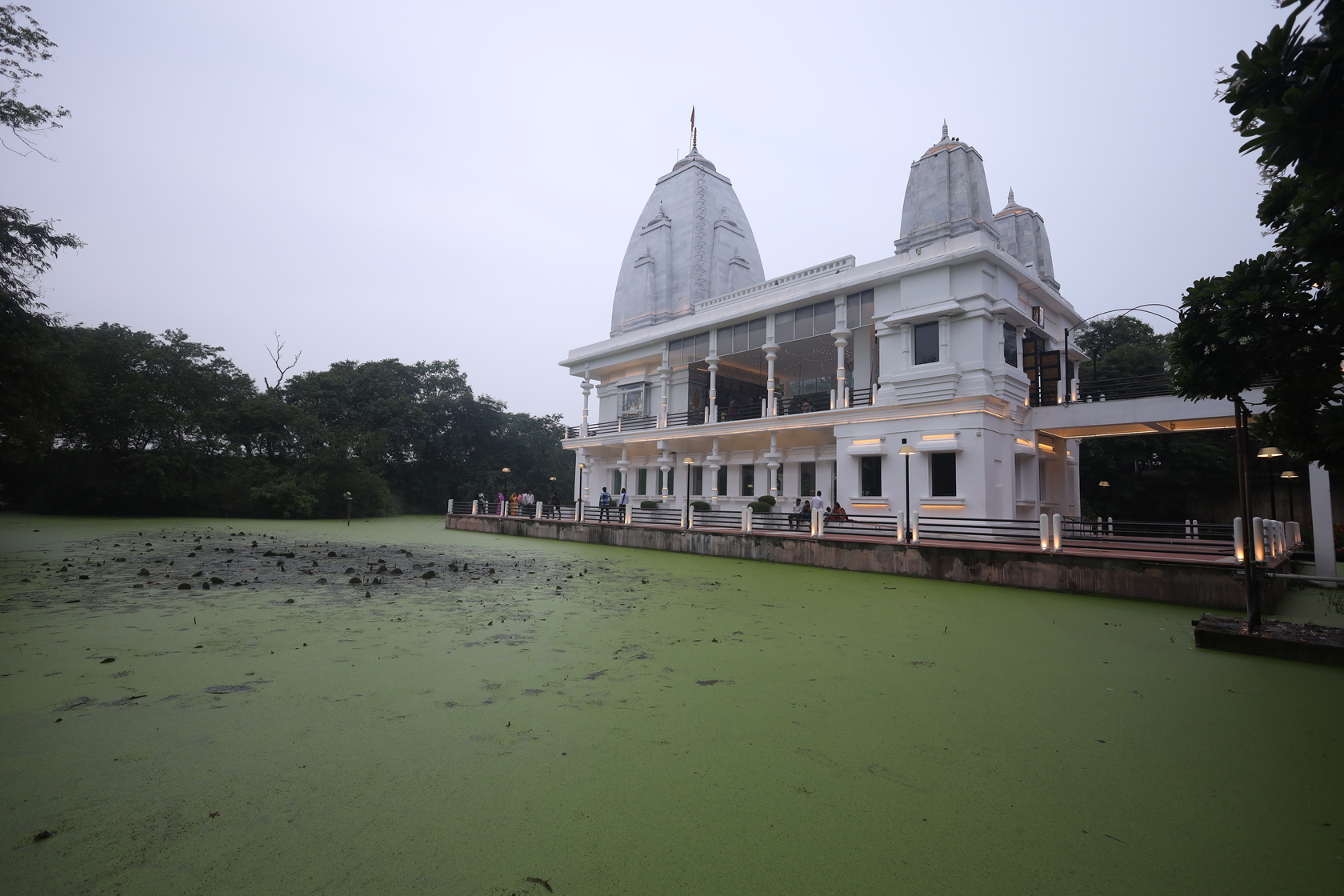
Sita Samahit Sthal
Sita Samahit Sthal stands as a place of deep spiritual meaning, cultural memory and community connection.
Through its long-term stewardship, the Pt. Kanahya Lal Dayawanti Punj Foundation works to preserve the site, support visitors and pilgrims, sustain its living traditions and protect its significance for future generations.
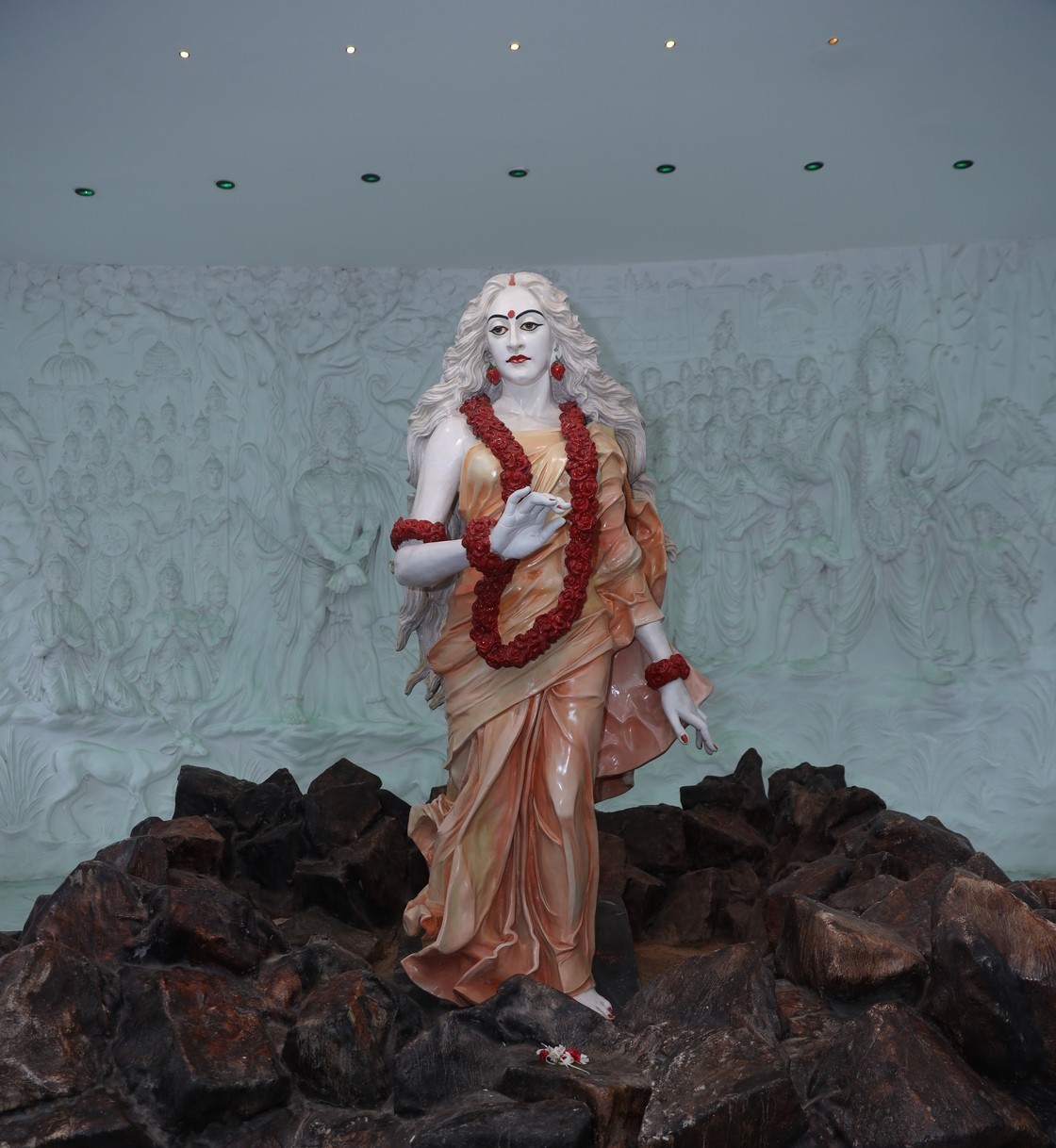
The Sthal
Sita Samahit Sthal holds a distinct place in the spiritual and cultural landscape of the region.
For devotees and visitors, it is a place of reverence, reflection and connection with the enduring story of Mata Sita.
For the surrounding community, it is also a living institution — a place where faith, festivals, family visits, local memory and collective participation come together.
The Foundation’s relationship with the Sthal is rooted in stewardship: caring for its physical spaces, supporting those who visit, sustaining community traditions and preserving its significance across generations.
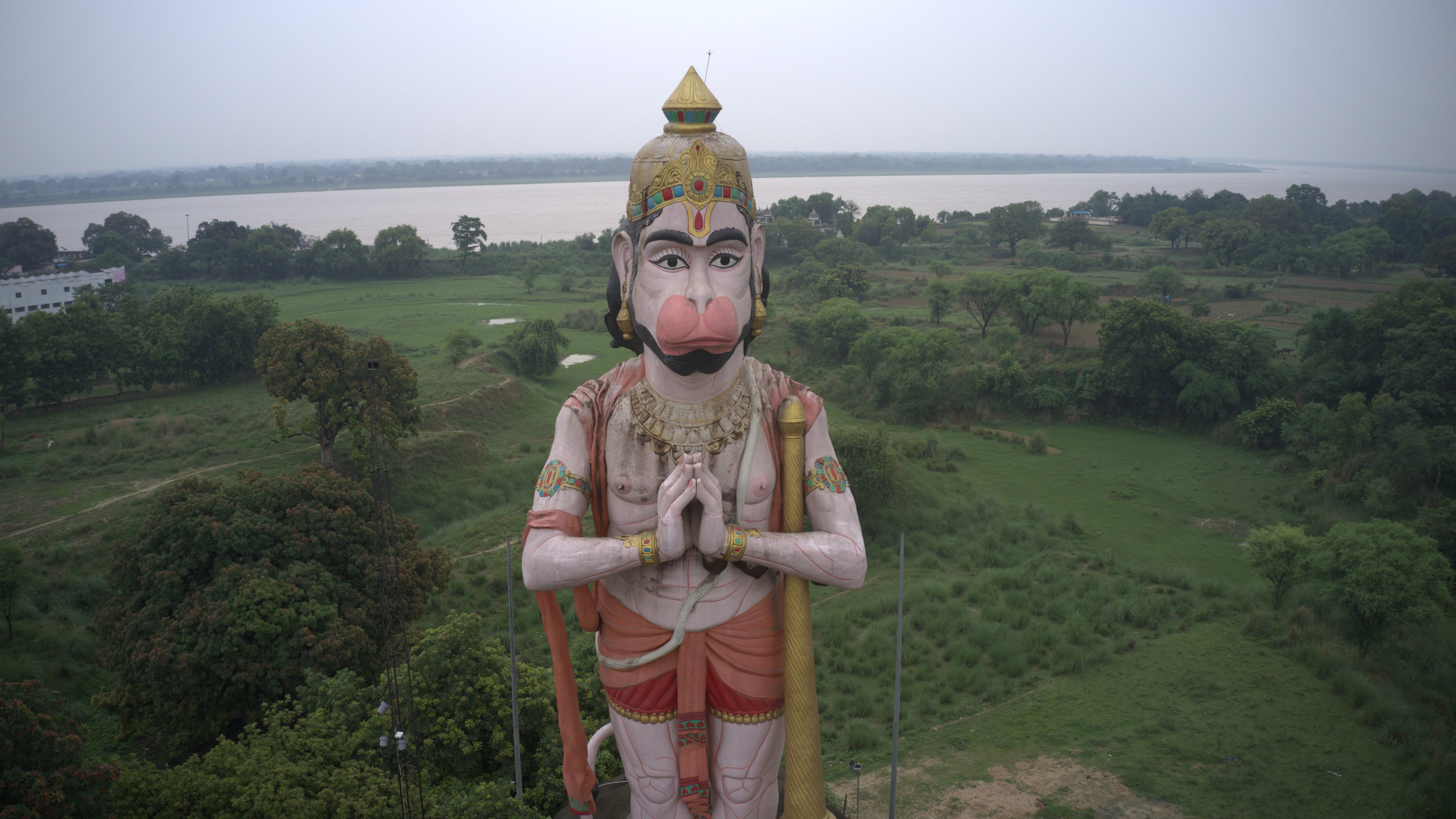
Sita Samahit Sthal and its wider cultural setting.
Watch & Explore
Discover the spiritual and cultural significance of Sita Samahit Sthal through this video.
Take a closer look at the Sthal, its surroundings and the enduring connection it holds with Mata Sita and the local community.
Discover Sita Samahit Sthal through this video.
Watch the Sthal →
The Significance of the Sthal
Three dimensions hold equal weight at the Sthal, and each one depends on the others.
A place of devotion, prayer and spiritual connection associated with the enduring cultural memory of Mata Sita.
A site through which stories, rituals, architecture, festivals and regional traditions are carried across generations.

A living gathering place connected with local families, pilgrims, visitors and the cultural life of the region.
Foundation Stewardship
The Foundation’s role at Sita Samahit Sthal extends beyond periodic support.
It involves the continuing responsibility of preserving the site, maintaining its spaces, assisting visitors, supporting major gatherings and strengthening the relationship between the Sthal and the surrounding community.
This work brings together spiritual stewardship, heritage preservation, site management and public service.
Protecting the architectural, cultural and sacred character of the site.
Supporting the upkeep, cleanliness and functioning of the Sthal and its facilities.
Helping visitors experience the site with dignity, clarity and comfort.
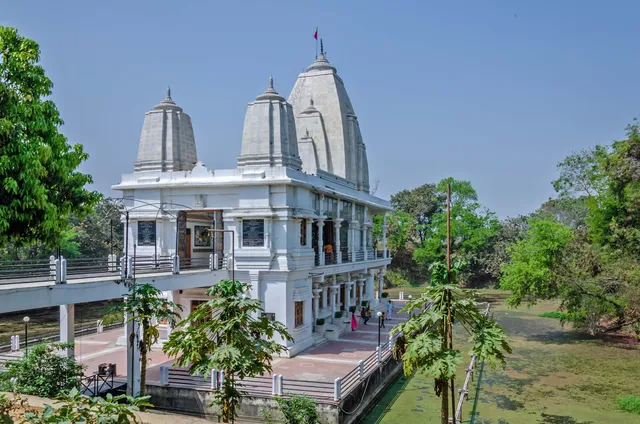
Supporting the organisation and responsible management of major gatherings.
Maintaining the Sthal’s relationship with the surrounding region and its people.
Preserving photographs, records, stories and institutional memory for future generations.
Explore the Sthal
Move through the principal spaces, architecture and landscapes that shape the visitor experience of Sita Samahit Sthal.
The Approach
The first experience of entering the Sthal and moving from the surrounding landscape toward its sacred centre.
The principal structure and its visual relationship with the wider site.
Areas of prayer, reflection and devotional significance, shown only where photography is permitted.
Details that reveal the craftsmanship, visual language and cultural character of the site.
The natural and built spaces through which visitors move, pause and gather.
The site as a living place of participation, family connection and collective memory.
Architecture and Place
The physical environment of Sita Samahit Sthal plays an important role in how visitors encounter the site.
Architecture, pathways, sacred spaces, landscape and gathering areas together create a harmonious setting for prayer, reflection, movement and community participation.



The Living Story
Sita Samahit Sthal is associated in faith and regional tradition with the story of Mata Sita.
For devotees, the site carries profound emotional and spiritual meaning connected with her life, strength, sacrifice, dignity and relationship with the earth.
The Sthal forms part of a living cultural tradition in which sacred narrative, local memory and devotional practice continue to shape how the place is understood and experienced.
The Foundation presents these associations as they are held in faith and regional tradition. Historical and archaeological statements are published only where authoritative sources have been verified.

A Living Place of Devotion
The spiritual life of the Sthal is experienced not only during major festivals, but also through everyday prayer, family visits, offerings, reflection and community participation.

Morning and evening aarti, sanctum prayers, and ritual obeisance conducted daily for devotees visiting the sacred shrine.
Timing: 06:00 AM – 08:00 PM (Daily)
Location: Main Sanctum, Sita Samahit Sthal
Dedicated spaces and quiet hours for personal meditation, scriptural reading, and quiet spiritual contemplation.
Timing: All Day Open Access
Location: Meditation Hall & Riverside Ghats
Traditional offerings including flowers, fruits, and sacred items facilitated through authorized temple counters.
Timing: 07:00 AM – 07:00 PM
Location: Temple Offering Counters
Welcoming families and multi-generational groups for pilgrimage, ritual observances, and peaceful day visits.
Timing: Flexible Visiting Hours
Location: Temple Complex & Sthal Grounds
Special community prayers, sankalpa rituals, and collective devotional singing organized on auspicious dates.
Timing: As per Hindu Calendar & Festivals
Location: Assembly Courtyard
Pravachans and spiritual discourses by revered scholars detailing the epic history and moral teachings of the Ramayana.
Timing: Every Saturday & Sunday: 04:00 PM – 06:00 PM
Location: Satsang Bhavan
Festivals and Gatherings
Festivals and major gatherings bring together devotion, culture, family participation and community service on the sacred banks of the Ganga.
Each occasion is documented with clarity and dignity, helping visitors understand its meaning as well as the practical arrangements associated with it.
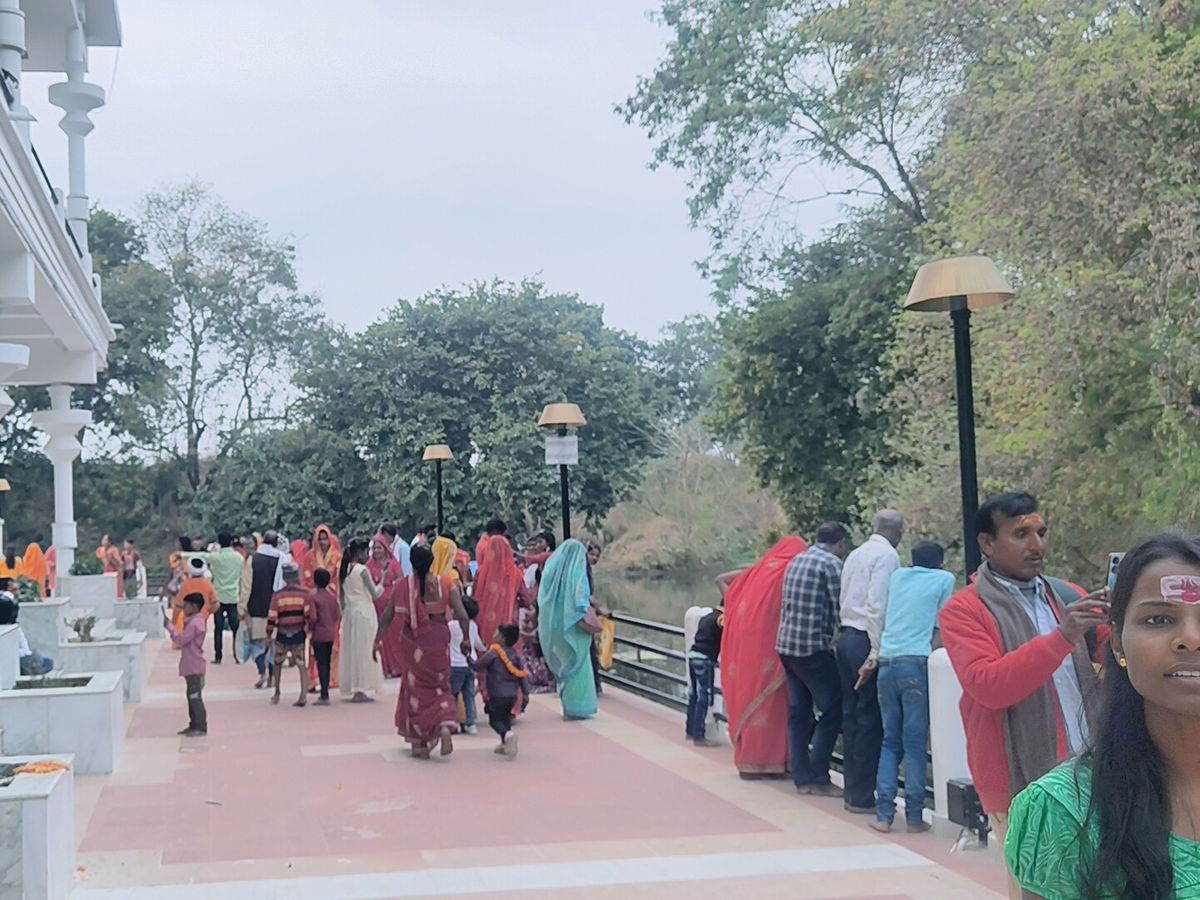
Featured Gathering
Verified FestivalGrand ceremonial processions featuring devotional music and traditional chariots passing through the holy grounds.
Special sanctum pujas and collective fire rituals performed by head priests with active devotee participation.
Evening musical renditions, classical bhajans, and theatrical depictions celebrating sacred heritage.
Thousands of earthen lamps and decorative lights illuminating the temple complex and river ghats.
Visiting the Sthal
The visitor experience should help people approach the Sthal with clarity, comfort and respect for its sacred character.
How to reach the entrance and where visitors begin their experience.
Main entry gates are accessible directly from the main approach road with clear directional signage and dedicated drop-off zones for vehicles.
Pathways, queues, accessibility and important visitor routes.
Paved stone walkways connect the central courtyard, riverside ghats, and shrine complexes with designated queue management barriers.

Guidance for sacred spaces and expected conduct.
Devotees participate in traditional prayers, aarti, and quiet meditation in designated sanctums maintaining peaceful traditional decorum.
Information about seating, assistance and access where verified.
Rest benches, shaded seating pavilions, and priority assistance channels are provided for elderly pilgrims and family groups.
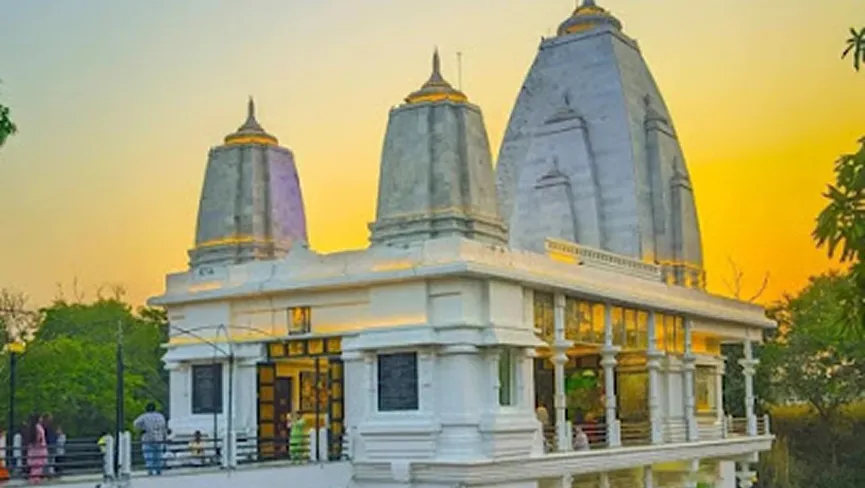
Verified information about water, sanitation, parking, footwear, rest areas or other facilities.
Clean drinking water stations, well-maintained restrooms, shoe-keeping counters, and secure vehicle parking lots available on-site.
Where visitors can seek assistance.
Information desks staffed with volunteers and trust representatives to answer pilgrim queries, lost-and-found, and announcements.
The Sthal and Its Community
Sita Samahit Sthal is closely connected with the surrounding community.
Its role extends beyond those who visit occasionally. The Sthal forms part of local memory, family traditions, cultural life, livelihoods and collective identity.
The Foundation’s stewardship therefore remains connected with the people who live around the site and participate in its continuing life.
Residents of the surrounding region take part in the everyday life of the Sthal in different ways and to different degrees.

Volunteers and service groups contribute during gatherings, upkeep activity and visitor-support work.
Cultural events connect the Sthal with regional artistic, musical and devotional traditions.
Families carry memories of visits, ceremonies and gatherings across generations.
Preserving for the Future
Sacred and cultural institutions require regular care.
Preservation involves attention to architecture, cleanliness, visitor facilities, landscapes, documentation, safety and the integrity of sacred spaces.
The Foundation’s preservation work is presented as a continuing responsibility rather than a one-time restoration exercise, and is documented as it is carried out.
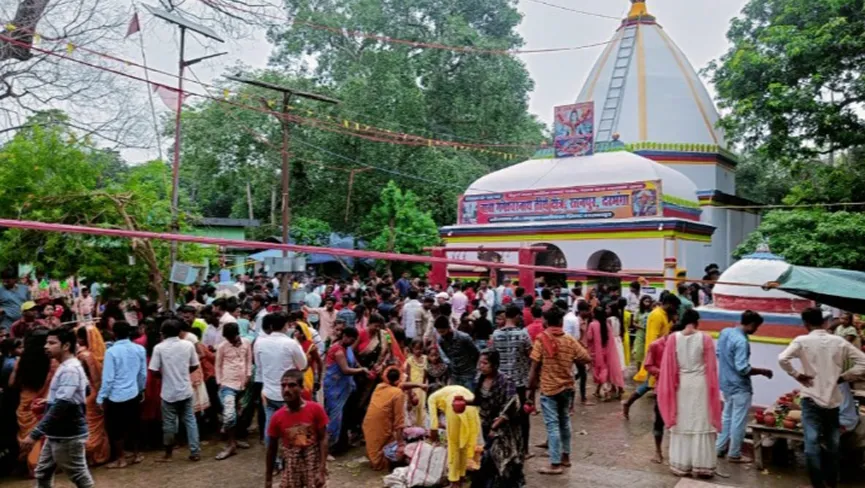
Visit With Respect
These guidance points are shared to help every visitor experience the Sthal peacefully. Each item is confirmed with the site management and verified for publication.
Maintain utmost silence and traditional spiritual decorum while visiting inner sanctums and prayer halls.
Refrain from taking photographs inside restricted ritual spaces and where specified by management signs.
Preserve the purity and pristine condition of the temple courtyards, riverbanks, and community areas.
Dispose of refuse, organic waste, and materials strictly in the labeled dustbins provided across the grounds.
Deposit shoes and footwear at authorized, marked keeping counters prior to entering sacred enclosures.
Keep corridors, stairways, and main walking routes clear to ensure smooth movement for all pilgrims.
Extend assistance, priority, and care to senior citizens, families, and young children during crowded hours.
Adhere to temporary crowd management routes, volunteer guidance, and special notices during festivals.
Protect temple architecture, historical elements, garden lawns, and natural surroundings from harm.
Engage solely with verified helpdesks, official counters, and accredited trust representatives for assistance.
Explore Before You Visit
Verified site plans, layouts, and principal spaces are detailed below with confirmed institutional guidance.

Primary arrival gateway featuring clear directional signage, security checkposts, and vehicle drop-off zones.
Location: Front approach plaza directly connected to the main access road.
Plan Your Visit
Practical details verified with site management to ensure every visitor arrives with clarity, accurate access information, and full guidance.
Events and Observances
Verified event schedules, timings, significance, and visitor instructions published directly with institutional confirmation.
Grand annual celebration commemorating the divine marriage of Lord Rama and Devi Sita with grand rituals and cultural pageantry.
Evening community prayers, devotional hymns (bhajans), and spiritual discourses under the full moon.
Free comprehensive health check-ups, eye screenings, cataract evaluations, and essential medicine distribution.
Explore Further
The Foundation website presents Sita Samahit Sthal as one of its principal pillars of work and explains its institutional role in the site’s stewardship.
For more detailed information about visits, festivals, worship schedules, site-specific announcements and cultural content, visitors may continue to the dedicated Sita Samahit Sthal website.
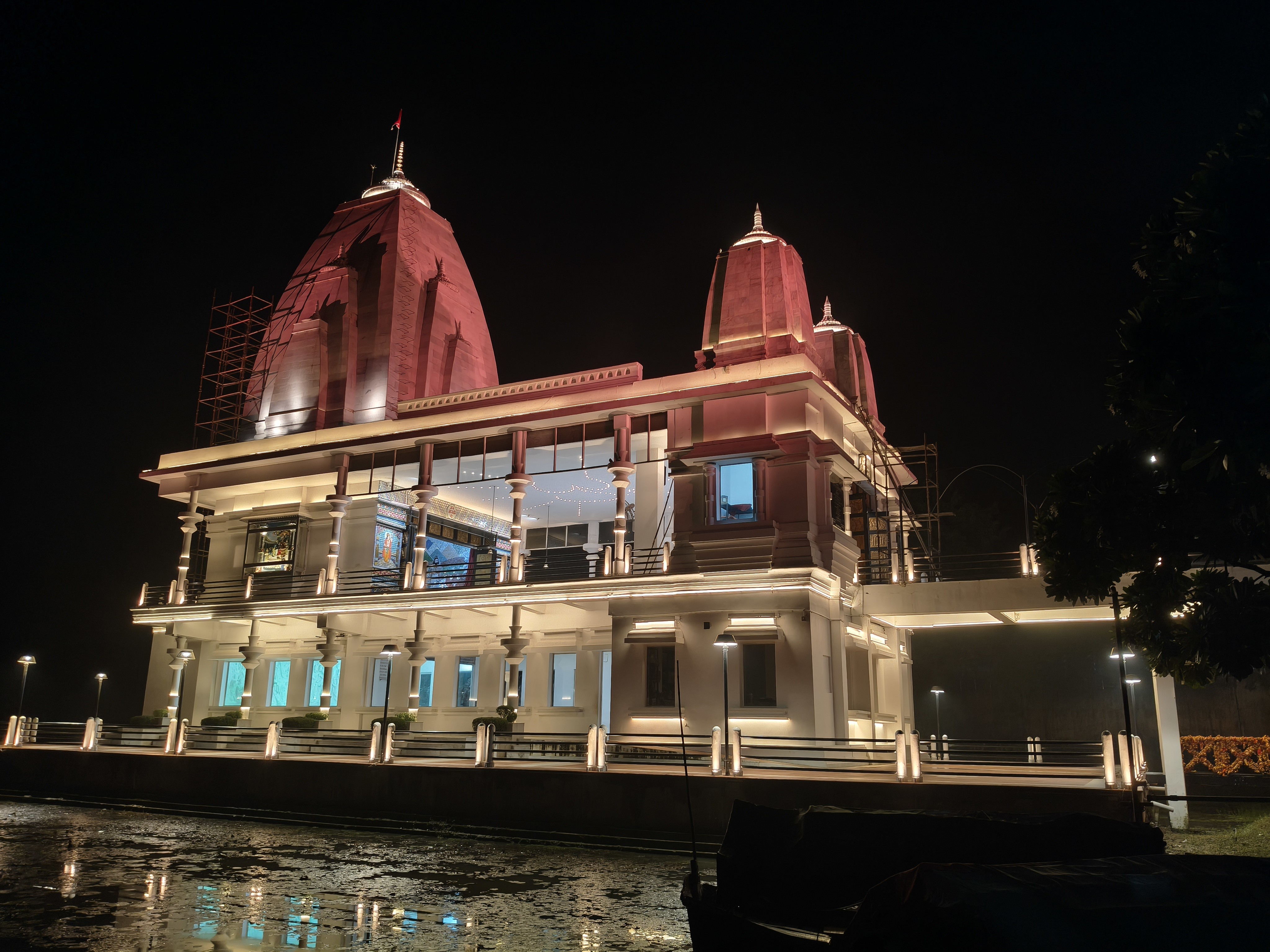
A Living Heritage
Sita Samahit Sthal continues to bring together faith, heritage, family memory and community participation.
Through careful stewardship, the Foundation seeks to protect the site’s sacred character, support those who visit and sustain its cultural significance for future generations.
